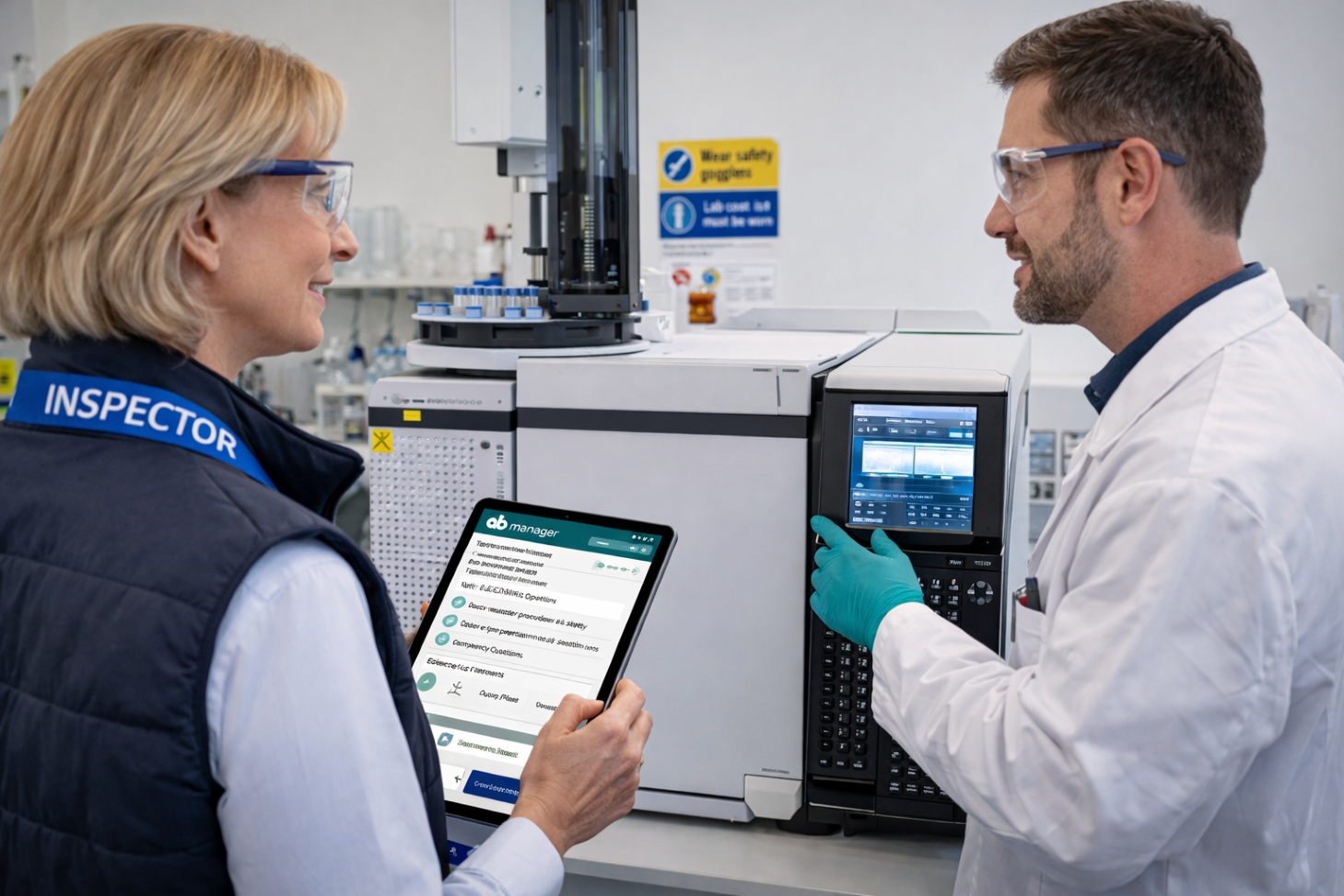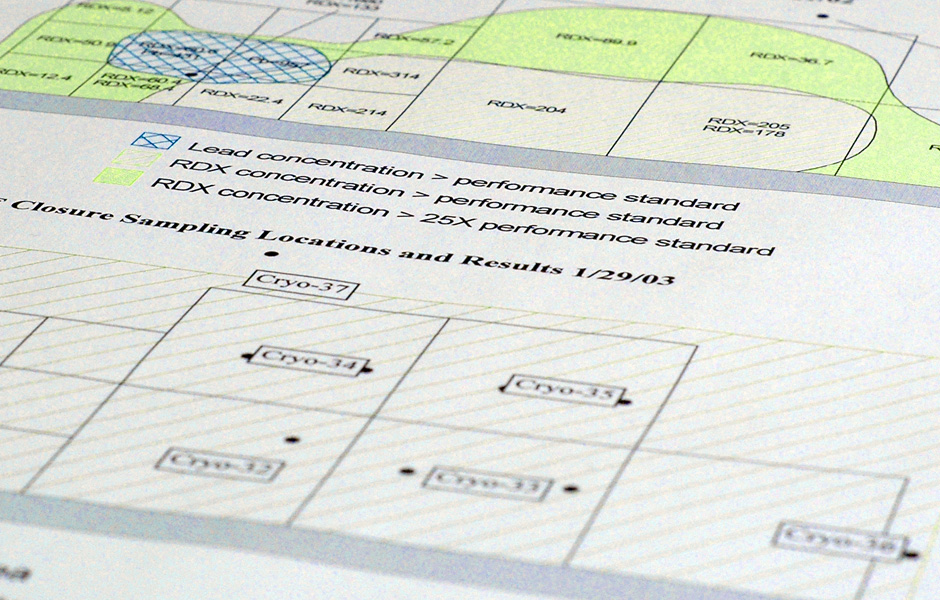
Laboratory testing is often one of the most significant costs in an environmental project. Protecting that investment—both time and money—starts with ensuring that the data produced is reliable, usable, and defensible.
Data quality doesn’t happen by accident. It comes from a combination of planning, coordination, validation, and informed use.
Plan Ahead
Successful projects begin with clear data objectives. Whether documented in a Sampling Plan, Quality Assurance Project Plan (QAPP), or both, planning should define how data will be collected, analyzed, and evaluated.
Key considerations include:
- Data objectives—how will the data be used?
- Sampling locations and methods
- Required analytes, detection limits, and analytical methods
- Preservation requirements and holding times
- Laboratory-specific QA/QC requirementsData validation scope and frequency
To avoid surprises, planning should involve all key participants: regulators, stakeholders, field staff, the laboratory, and data validation professionals.
Engage the Laboratory
A good laboratory is more than a testing service—it is a project partner.
Early coordination with the lab helps ensure that methods, detection limits, and reporting formats align with project goals. Laboratories can also assist with:
- Method selection and parameter lists
- Reporting formats and electronic deliverables (EDDs)
- Sample containers, preservatives, and documentation
- Chain-of-custody (COC) preparation and tracking
Taking the time to align expectations upfront reduces the risk of delays, rework, and unusable data.
Validate the Data
Data validation is a critical step in confirming that analytical results meet project objectives, method requirements, and regulatory criteria before they are used for decision-making.
Many validation approaches are informed by guidance such as the EPA Functional Guidelines for Data Review, originally developed for Superfund programs. While “validation levels” are widely referenced, their specific scope can vary by project. For this reason, validation expectations should always be clearly defined in the project planning documents.
In general, validation levels can be described as follows:
- Level 1 – Verification of reported results, parameters, completeness, and basic laboratory flags/notes
- Level 2 – Level 1 plus review of sample custody, preservation, holding times, detection limits, and key quality control elements (e.g., blanks, duplicates, laboratory control samples)
- Level 3 – Level 2 plus detailed evaluation of analytical quality control (e.g., matrix spikes, surrogates, calibrations, internal standards) and application of data qualifiers
- Level 4 – Level 3 plus review of raw data, calculations, and analytical records (e.g., chromatograms, spectra, bench sheets, and quantitation records)
Many projects apply a combination of these levels—for example, comprehensive Level 3 validation with a targeted subset of Level 4 review for higher-risk data.
While validation can be time-intensive, the use of electronic data deliverables (EDDs) and specialized tools can streamline portions of the process, particularly for large or ongoing projects.
Use Data Wisely
Validated data is rarely “perfect.” Results are often accompanied by qualifiers that indicate uncertainty or limitations.
Common examples include:
- J – Estimated value due to analytical interference
- U – Not detected above the reporting limit
- UJ – Non-detect with estimated reporting limit
- R – Rejected; data are unusable
Understanding and properly applying these qualifiers is critical. They may affect individual results or entire groups of data and should always be considered when drawing conclusions.
Even unqualified data carries inherent variability related to sampling conditions, matrix effects, and analytical limitations.
Protecting Your Investment
Reliable environmental data requires more than laboratory analysis. It depends on thoughtful planning, strong coordination, appropriate validation, and informed interpretation.
By taking a structured approach—plan ahead, engage the laboratory, validate the data, and use it wisely—you can ensure that your data supports sound, defensible decisions.